
Dental Implants vs. Bridges: How Hamilton Patients Choose Best Fix for Tooth Loss
Losing a tooth affects far more than your smile. It can change how you chew, how you speak, and how confident you feel in everyday situations. If you’re a Hamilton patient with a missing tooth (or several), you’ve probably been told there are two main ways to restore your smile: dental implants and dental bridges.
Both options can look natural and function well, but they work very differently. The right choice depends on your overall oral health, the condition of your gums and jawbone, and what you want long term. Working with an experienced team like OMG Perio means you’re not guessing; you’re getting specialist guidance tailored to your mouth, not a generic one-size-fits-all solution.
Why Replacing a Missing Tooth Matters
Some people delay treatment because “it’s just one tooth,” especially if it’s at the back. But leaving a gap can set off a chain reaction. According to the Ontario Dental Association’s information on tooth loss, missing teeth can lead to shifting teeth, bite changes, and a higher risk of gum disease and decay as cleaning becomes more challenging.
Over time, the jawbone in the area of the missing tooth can shrink. That can change your facial profile, affect how your lips are supported, and even limit your options for future restorations. A consultation with a periodontal dentist focuses not just on filling the space you see, but on protecting the health of the teeth, bone, and gums you still have.
What Are Dental Implants?
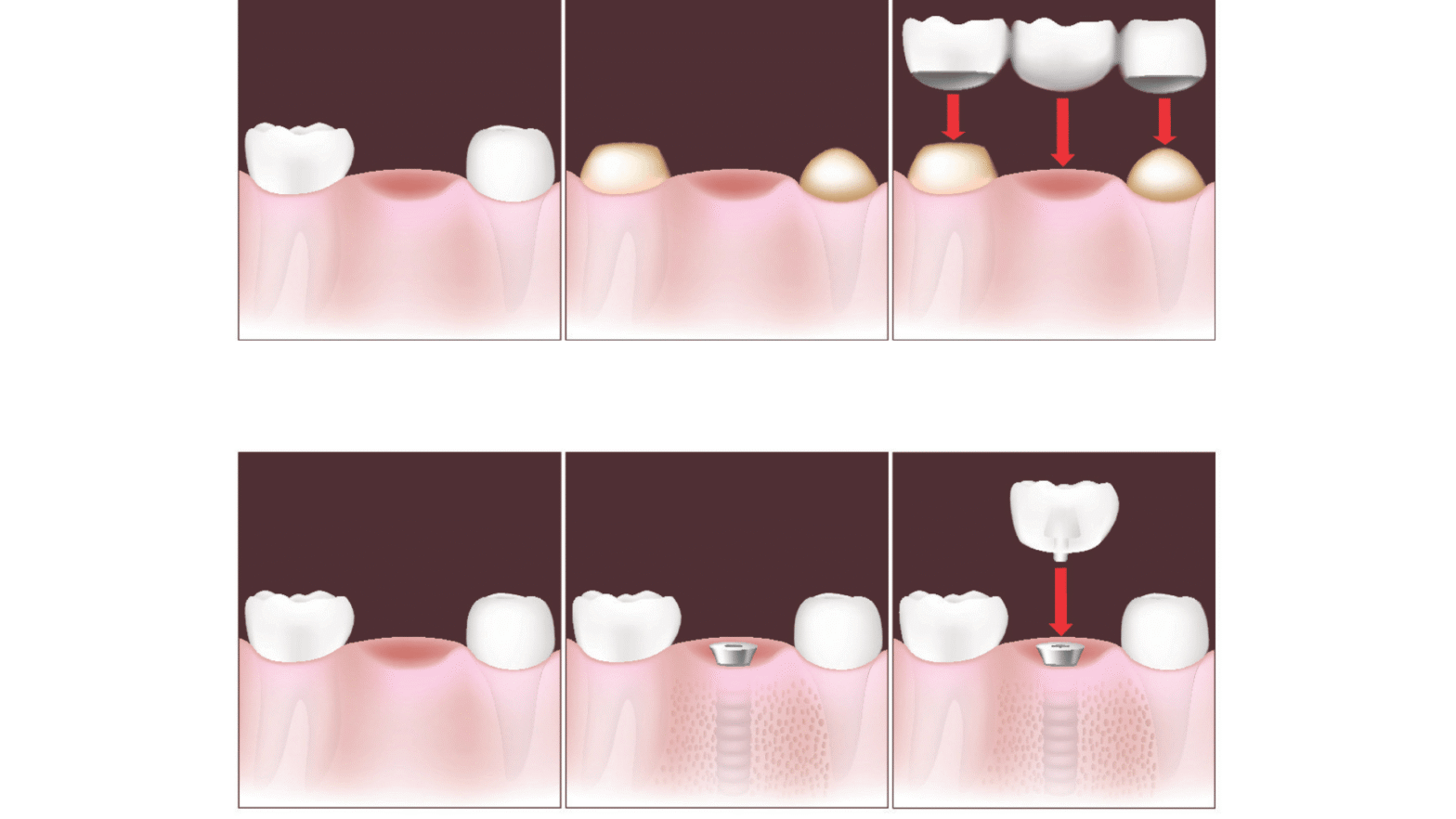
A dental implant is a small titanium post placed into the jawbone, where it acts like an artificial tooth root. Once it fuses with the bone, it provides a solid foundation for a custom-made crown, bridge, or full-arch restoration. Implants are used to replace missing roots and support artificial teeth designed to look and function like natural teeth.
When you see a dental implants periodontist at OMG Perio, the implant is just one part of a bigger plan. Your specialist looks at gum health, bone quality, bite forces, and your medical history before recommending treatment. In more extensive cases, carefully planned options like teeth in a day may allow you to replace multiple teeth and leave with a full fixed smile in a single coordinated treatment phase, instead of living with removable dentures for months.
If the idea of surgery makes you anxious, modern sedation dentistry can make implant placement a calm and manageable experience. Sedation options are tailored to your level of anxiety and medical needs, so fear doesn’t have to stand between you and a healthy smile.
What Is a Dental Bridge?
A dental bridge is a non-removable restoration that “bridges” the gap left by one or more missing teeth. The teeth on either side of the space are prepared for crowns, and an artificial tooth (or teeth) is attached between them as a single unit. Bridges are fixed in place and use neighbouring teeth or implants for support.
Bridges can be a great choice when neighbouring teeth already need crowns, or when a patient prefers to avoid surgery. In OMG Perio’s own guide to Dental Restoration, the team emphasizes that bridges are often a smart option when several issues in the same area can be addressed at once—such as reinforcing cracked teeth while also filling a gap.
Dental Implants vs Bridges: The Key Differences
Effect on Neighbouring Teeth
Implant: An implant is self-supporting. It does not rely on the teeth beside the gap, which means those teeth can stay intact if they’re healthy. This is a major advantage when adjacent teeth are strong and untouched.
Bridge: A traditional bridge uses the teeth on either side of the gap as anchors. These teeth are reshaped to receive crowns, which can be appropriate if they’re heavily filled or damaged—but less ideal if they were previously healthy. A gum specialist will always weigh how much natural tooth structure you’ll have to sacrifice.
Jawbone and Gum Health
Implant: Because it’s anchored in the bone, an implant helps stimulate and preserve jawbone in the area, similar to a natural tooth root. Dental implants are artificial roots used to support replacement teeth, and this root-like function is what supports long-term bone health.
Bridge: A bridge replaces the visible tooth, but not the root. The jawbone underneath the gap can continue to shrink, which may lead to slight changes in gum contour over time. For patients with a history of gum disease, your perio specialist may recommend treating or stabilizing the gums first—sometimes using laser-based therapies—before finalizing any bridge or implant.
Comfort, Time, and Treatment Experience
Implant: Getting an implant involves minor oral surgery and a healing phase while the implant integrates with the bone. Some patients can have a temporary crown placed right away; others wait until the implant is stable before adding the final tooth. Throughout, your Hamilton periodontics team will focus on minimizing discomfort and ensuring predictable healing.
Bridge: A bridge usually takes a few appointments without surgery. The neighbouring teeth are reshaped, impressions are taken, and the final bridge is tried in and adjusted. There’s typically less post-treatment soreness than with implant surgery, but the trade-off is the extra work done on the anchor teeth.
If anxiety or past dental experiences make you hesitant, talking with a sedation dentist can help you understand how safely managed sedation can transform your treatment experience—whether you choose implants or a bridge.
Cost and Long-Term Value
From a purely upfront cost perspective, bridges are often less expensive and may receive more consistent coverage from traditional dental plans. Implants tend to be a bigger initial investment, but their longevity and bone-preserving benefits can make them cost-effective over the long term.
Judging treatments on sticker price alone can be misleading. A lower-cost solution that leads to recurring problems or multiple replacements may end up costing more financially—and emotionally—than a carefully planned implant-based restoration.
When a Dental Implant May Be the Better Option
For many Hamilton patients, implants are considered a “gold standard” option when:
- The neighbouring teeth are healthy and don’t need crowns.
- There is enough bone (or bone grafting is possible) to support an implant.
- Long-term stability, chewing power, and bone preservation are top priorities.
- The patient is comfortable with minor surgery and a slightly longer overall timeline.
The Canadian Association of Oral and Maxillofacial Surgeons’ overview of dental implants reinforces that implants act as tooth root substitutes placed into the jawbone, providing stable anchors for artificial teeth. A well-placed implant, maintained with good home care and regular check-ups, can last many years—often decades—making it a strong long-term investment in your oral health.
When a Dental Bridge May Make More Sense
A bridge can be the better choice when:
- The teeth beside the gap are already heavily restored or cracked and need crowns.
- Medical conditions, medications, or smoking make implant surgery less advisable.
- Bone volume is limited and grafting isn’t desired.
- A quicker, non-surgical solution is needed.
Sometimes, your periodontist gum specialist may recommend an implant-supported bridge, where a small number of implants support several replacement teeth. This can be an excellent option when multiple teeth in one area are missing.
The Role of a Hamilton Periodontist in Your Decision
Choosing between implants and a bridge shouldn’t come down to guesswork or online comparisons alone. A periodontal dentist brings advanced training in gum and bone health, implant surgery, and complex treatment planning.
At OMG Perio, your consultation is structured to help you make a confident decision:
- A comprehensive exam assesses your gum health, bone levels, bite, and existing restorations.
- Imaging is used to evaluate where implants could be placed safely and how a bridge or implant would affect your bite.
- Your goals, budget, and timeline are discussed honestly, including phased treatment options.
- You’ll see how implants and bridges would look and function in your own mouth, not just on a diagram.
If you want real-world insight into the patient experience, OMG Perio reviews share how other Hamilton patients felt before, during, and after treatment for missing teeth.