
When Is Gum Surgery Needed After Scaling and Root Planing
Gum surgery after scaling and root planing may be recommended when deep periodontal pockets, bleeding, inflammation or areas that are difficult to clean remain after the gums have had time to heal. Scaling and root planing is often the first treatment for periodontitis, but it has limits. The next step is based on how each area responds, not on an automatic progression from deep cleaning to surgery.
For many patients, non-surgical treatment produces enough improvement that no periodontal surgery is needed. For others, persistent disease around specific teeth may make surgical or laser treatment worth considering. The American Academy of Periodontology similarly notes that many patients do not require additional treatment after scaling and root planing, although continuing periodontal maintenance is usually necessary.
What Scaling and Root Planing Is Designed to Do
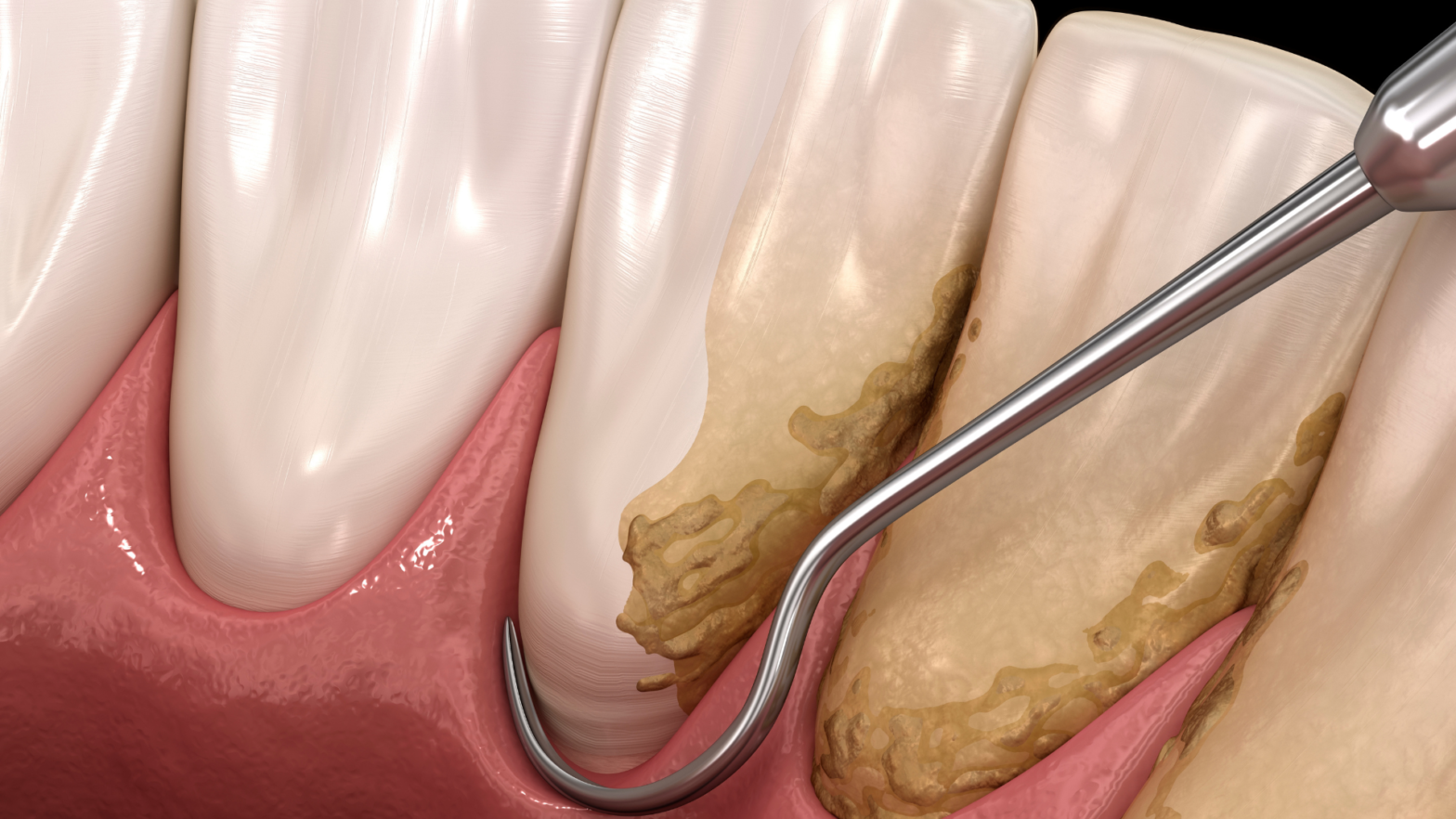
Scaling and root planing treats periodontal disease below the gumline. Scaling removes plaque, calculus and bacterial deposits from periodontal pockets, while root planing cleans and smooths the root surfaces so the surrounding tissues have a healthier surface against which to heal.
The purpose is to reduce the bacterial burden and inflammation around affected teeth. It is an important first step because it gives the periodontist a chance to see how much improvement can be achieved without surgery.
OMG Perio’s guide to scaling and root planing explains how the procedure is used to treat periodontal pockets and clean root surfaces below the gumline.
Why Deep Cleaning Can Work and Surgery Can Still Be Recommended
A recommendation for additional treatment does not necessarily mean scaling and root planing failed. Periodontal disease can affect different teeth and surfaces with different severity, and some areas respond better than others.
Deep pockets can make complete cleaning more difficult because access to the root surface becomes limited. Root grooves, furcations where tooth roots divide, irregular bone loss and deposits positioned deep below the gumline can also make some sites harder to manage non-surgically.
A systematic review and meta-analysis of non-surgical periodontal therapy found that treatment can eliminate many periodontal pockets, but residual pockets may remain and need to be considered during further treatment planning.
After scaling and root planing, the reassessment focuses on which sites are now stable and maintainable and which still show signs of active disease.
What Happens at the Periodontal Reassessment?
After the tissues have had an appropriate healing period, the periodontist can compare the treated areas with the measurements recorded before treatment. The reassessment helps identify where non-surgical therapy achieved the desired response and where further treatment may be needed.
The evaluation may include:
- periodontal pocket depths around individual teeth
- bleeding on probing
- visible inflammation or swelling
- plaque control and the patient’s ability to clean the area
- tooth mobility
- gum recession or changes in tissue position
- bone levels and the shape of periodontal defects seen on dental imaging
- symptoms such as tenderness, drainage or persistent bad taste
No single measurement decides the entire treatment plan. A deeper pocket that is stable, not bleeding and easy to maintain may be considered differently from a site with persistent inflammation, progressive bone loss or anatomy that prevents effective cleaning.
When Is Gum Surgery Needed After Scaling and Root Planing?
Gum surgery is generally considered when non-surgical treatment has not created a periodontal condition that can be predictably maintained. The American Academy of Periodontology notes that non-surgical periodontal procedures have limitations and that a periodontist may recommend surgery when they do not achieve optimal periodontal health.
Common reasons further treatment may be discussed include persistent deep pockets, continued bleeding or inflammation, areas of bone loss that need direct access or reshaping, and root surfaces that remain difficult to reach and clean.
The recommendation is site-specific. One area of the mouth may respond well to scaling and root planing while another tooth requires additional treatment.
What Is Osseous Surgery and Why Might It Be Recommended?
Osseous surgery, also called pocket-depth reduction surgery, is designed to improve access to the tooth roots and supporting bone when periodontal pockets remain too deep to maintain effectively.
During osseous surgery, the periodontist moves the gum tissue away from the teeth to access affected root surfaces and bone. Disease-causing deposits can be removed, and irregular areas of damaged bone may be reshaped when appropriate before the gum tissue is repositioned. OMG Perio describes the procedure as an option when pockets are too deep to clean adequately with home care and regular professional maintenance.
The goal is to create a periodontal environment that the patient and dental team can clean and monitor effectively over the long term.
Could LANAP Be an Alternative to Traditional Gum Surgery?
For some patients and periodontal defects, laser-assisted treatment may be considered as an alternative treatment approach to conventional periodontal surgery. The choice depends on the diagnosis, anatomy, severity of disease and treatment objectives for the specific tooth or area.
OMG Perio offers LANAP laser gum surgery, using the PerioLase system as part of its treatment options for periodontal disease.
LANAP is not automatically the right treatment for every residual pocket, just as conventional surgery is not automatically required whenever a pocket remains deep. A periodontist needs to determine which approach offers the appropriate access, disease control and healing potential for the individual site.
What If the Problem Is Bone Loss?
Periodontitis can damage the bone and supporting structures around teeth. When the bone defect has a shape that may respond to regenerative treatment, the periodontist may discuss procedures intended to rebuild some of the lost support.
Regenerative treatment can involve bone graft materials, membranes or other techniques selected for the type of defect present. Other areas may be better managed by reshaping irregular bone during osseous surgery so the gums can heal in a more maintainable position.
This is one reason X-rays and, when necessary, three-dimensional imaging can matter in advanced periodontal treatment planning. The visible gumline does not show the full shape of the supporting bone below it.
Does Everyone With Deep Periodontal Pockets Need Surgery?
No. Pocket depth is one part of the diagnosis, not a stand-alone instruction to operate.
The periodontist also considers bleeding, inflammation, bone loss, tooth anatomy, mobility, the response to initial therapy, medical and behavioural risk factors and whether the patient can keep the area clean.
The aim is to use the least invasive approach that can predictably control the disease and create a maintainable result. OMG Perio’s periodontal treatment page similarly describes non-surgical treatment as the starting point, with surgical options considered when tissue or bone damage cannot be adequately addressed non-surgically.
Why Periodontal Maintenance Still Matters After Treatment
Periodontitis requires ongoing monitoring even after active treatment has reduced inflammation and stabilized the gums. Surgery does not replace brushing, interdental cleaning or professional periodontal maintenance.
Maintenance appointments allow the clinical team to monitor pocket depths, bleeding, plaque accumulation and changes around teeth that have already lost periodontal support. The frequency is individualized according to disease history, current stability and risk factors.
This step matters because the goal of periodontal treatment is not simply to get through a procedure. It is to keep the teeth stable and maintainable over the long term.
For a broader look at how non-surgical and surgical care fit together, OMG Perio’s periodontal treatment options explain how treatment can progress according to disease severity and response.
Questions to Ask If Gum Surgery Is Recommended
A treatment recommendation should make sense to you before you proceed. Useful questions include which teeth or sites still show active disease, what changed after scaling and root planing, what the surgery is intended to accomplish, and what alternatives are reasonable for that particular area.
It is also reasonable to ask what recovery usually involves, how the treated area will be maintained afterward and what could happen if the residual periodontal problem is monitored rather than treated now.
For patients in Hamilton who have completed a deep cleaning but still have persistent periodontal pockets, an assessment at OMG Perio can clarify whether the next step is maintenance, additional non-surgical care, LANAP, osseous surgery or another periodontal approach.
The next step should be based on the response of each periodontal site, the supporting bone and the patient’s ability to maintain the area.
Frequently Asked Questions
Does everyone need gum surgery after scaling and root planing?
No, many patients improve enough after scaling and root planing that periodontal surgery is not required. Surgery is generally considered when specific areas remain inflamed, too deep to maintain effectively or otherwise show that additional treatment may provide a more stable result.
How long after a deep cleaning are the gums reassessed?
The timing of reassessment varies according to the severity of disease, the treatment performed and the periodontist’s clinical judgement. The gums need enough time to show their response to therapy before the next treatment decision is made.
What happens if periodontal pockets remain after scaling and root planing?
Residual pockets are evaluated for depth, bleeding, inflammation, bone loss, anatomy and cleanability. Some can be monitored with periodontal maintenance, while others may benefit from additional non-surgical, laser, regenerative or surgical treatment.
Can LANAP be used instead of traditional gum surgery?
LANAP may be an option for selected periodontal cases, but it is not a universal substitute for every type of periodontal surgery. Your periodontist will consider the defect, treatment goal and surrounding tissues before recommending laser or conventional surgical treatment.
What happens if I do not treat persistent periodontal disease?
Persistent active periodontitis can continue to damage the tissues and bone that support the teeth. The risk for an individual tooth depends on the severity and pattern of disease, which is why ongoing pockets and inflammation should be reviewed with a periodontist rather than judged by symptoms alone.