
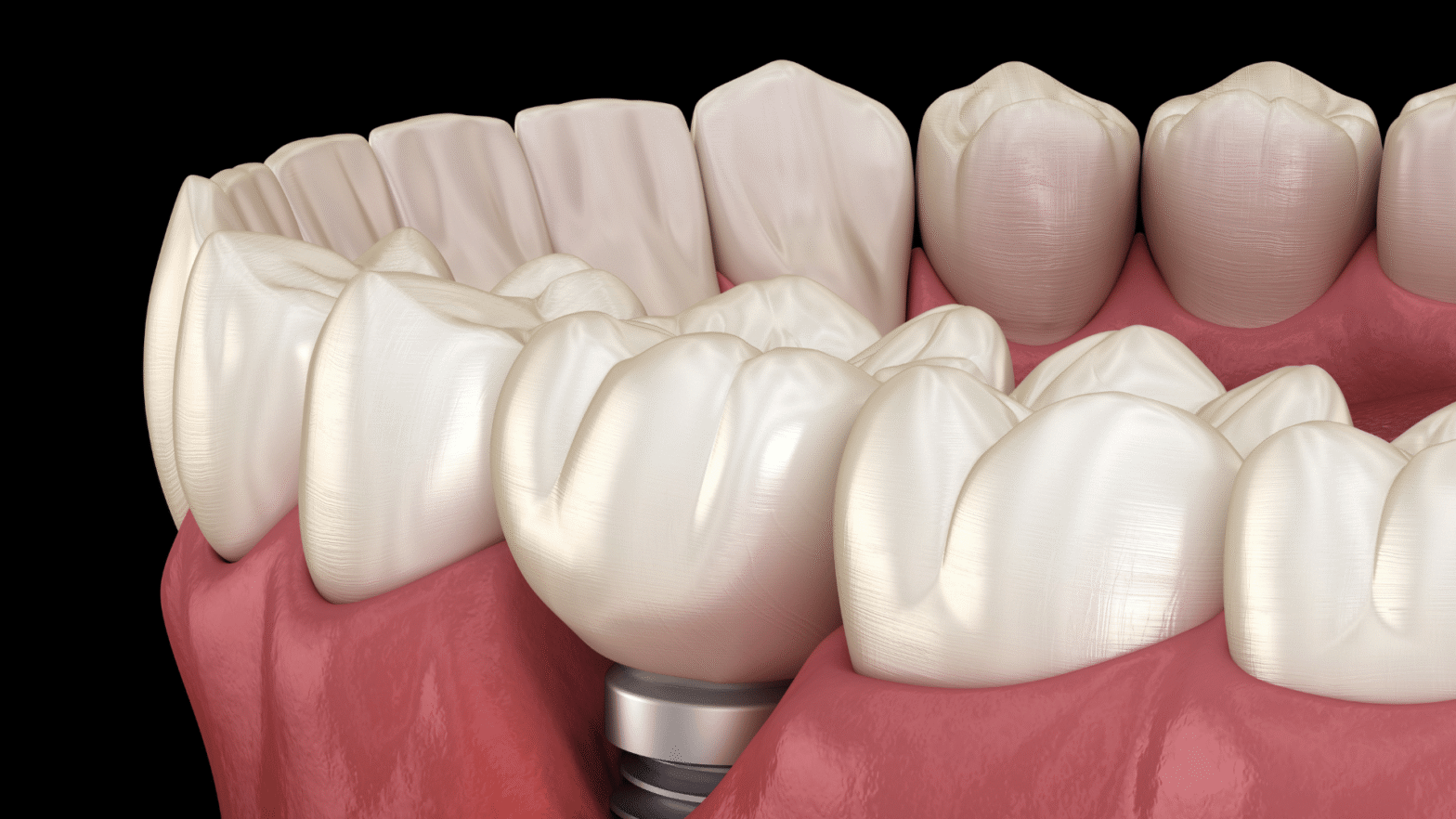
Peri-Implantitis in Hamilton: How to Spot, Treat, and Protect Your Dental Implants
Dental implants are meant to be a long-term solution. When everything is healthy, they look and feel so natural that you barely think about them. But just as natural teeth can develop gum disease, implants can also run into trouble if the surrounding tissues become inflamed and infected.
That condition is called peri-implantitis, and if it isn’t diagnosed and treated in time, it can lead to bone loss around the implant and, in severe cases, failure of the implant itself.
The good news is that with early diagnosis, specialist care, and the right maintenance plan, many implants can be stabilized and protected for years. Whether your implants were placed at OMG Perio or elsewhere, the Hamilton periodontics team there regularly helps patients manage and prevent peri-implant disease so they can protect both their smiles and their investment.
What Is Peri-Implant Disease?
“Peri-implant disease” is an umbrella term that covers inflammatory conditions around dental implants.
- Peri-implant mucositis: inflammation is limited to the gum tissue around the implant. Gums may look red and puffy and bleed easily, but there is no bone loss yet.
- Peri-implantitis: inflammation has progressed to the bone supporting the implant, causing the bone to break down over time.
A clinical summary from the Journal of the Canadian Dental Association describes peri-implantitis as an infectious process affecting the tissues around an implant and leading to progressive loss of supporting bone. In practical terms, plaque and bacteria collect around the implant, trigger an inflammatory response, and—if not managed—begin to eat away at the bone holding the implant in place. The clinical summary also notes that peri-implant disease is often associated with risk factors such as poor plaque control, smoking, diabetes, a history of periodontitis, and other systemic or local factors that compromise oral health.
Peri-implant mucositis is often reversible with thorough cleaning and improved home care. Peri-implantitis usually requires specialist-level treatment from a perio specialist who understands both gum disease and implant biology. At OMG Perio, your periodontist will carefully determine which condition you have before recommending a plan.
Our blog “What Are LANAP and LAPIP? (Advanced Laser Procedures for Gum and Implant Health)” dives deeper into how a LANAP procedure can be used to treat both gum disease and peri-implant problems with minimally invasive laser energy instead of traditional cutting and stitching.
Early Warning Signs Your Implant Needs Attention
Peri-implantitis doesn’t usually start with dramatic pain. Many patients feel nothing at all until the problem is already advanced, which is why paying attention to early warning signs is so important.
You should book an assessment with a periodontal dentist if you notice:
- Gums that bleed when you brush or floss around the implant.
- Red, shiny, or swollen gums next to the implant crown.
- Tenderness or a “puffy” feeling near the implant.
- A bad taste or odour that seems to come from the implant area.
- Gums that appear to be shrinking away from the implant, making the crown look longer.
In more advanced cases, food starts to trap under the edge of the implant crown, the implant may feel slightly different when you bite, or you may feel a subtle looseness.
If you already know you are prone to gum problems, you know that inflammation in the mouth is not something to ignore. Bleeding or discomfort around an implant is an early message from your gums that something needs attention.
Why Does Peri-Implantitis Happen?
The main cause of peri-implantitis is bacterial biofilm (plaque) that is not adequately removed from around the implant. That biofilm triggers inflammation in the soft tissue. If the inflammation continues unchecked, it can start to damage the bone around the implant.
Research has shown that peri-implant problems are surprisingly common. Clinical reviews suggest that peri-implant mucositis may affect a large proportion of patients with implants, and peri-implantitis can develop in a significant minority over time, especially when risk factors are present.
Risk factors include:
- A history of moderate or severe gum disease before implants.
- Smoking or vaping nicotine products.
- Diabetes or other conditions that affect healing and immunity.
- Poor plaque control or difficulty cleaning around the implant.
- Irregular professional cleanings.
- Strong bite forces, grinding, or clenching.
These are many of the same factors that increase the risk of gum disease in natural teeth, which we discussed in earlier blogs about periodontal disease and systemic health. They don’t mean you can’t have implants—but they do mean you should have a gum specialist involved in your care and maintenance.
How a Hamilton Periodontist Diagnoses a Failing Implant
At OMG Perio, diagnosing peri-implantitis is a detailed, step-by-step process rather than a quick glance at the gums. Your visit with a dental implants periodontist usually includes:
- A medical and dental history, including past gum disease, smoking, diabetes, and medications.
- A clinical exam of the gums around each implant.
- Probing around the implant to measure pocket depths and check for bleeding or discharge.
- Assessing gum recession and the contour of the tissue.
- X-rays to compare current bone levels with previous images (if available).
- An assessment of your bite forces and any signs of grinding or clenching.
The simplest definition of a periodontist is a dentist with extra specialist training focused on the gums, bone, and supporting structures of teeth and implants. At OMG Perio, that expertise is led by Dr. Michael Glogauer, a nationally regarded clinician and researcher whose work has helped clarify how inflammation and immune responses affect oral and overall health.
All of that background comes into play when deciding whether your implant is dealing with a reversible soft tissue problem or a more serious peri-implantitis that requires surgical or laser-based care.
Treatment Options for Peri-Implantitis at OMG Perio
Once your Hamilton gum specialist confirms the diagnosis, the next step is choosing the right combination of therapies. The goals are to control infection, preserve as much bone as possible, and create conditions where you can keep the area clean long term.
Non-Surgical Cleaning and Supportive Care
In early cases or around mildly affected sites, periodontal specialists may start with non-surgical therapy. This can include:
- Thoroughly cleaning the implant surface and surrounding tissues with instruments designed for implants.
- Using special polishing systems to break up stubborn biofilm.
- Local antiseptic or antibacterial treatments, where appropriate.
Your home-care routine is just as important. The team may recommend specific brushes, flossing tools, or water flossers and will coach you on a technique you can realistically follow every day. In our Dental Restorations guide, we emphasize that long-term success of any restoration—implant, bridge, or crown—depends on the health of the gums and bone around it.
Laser-Based Treatment: LANAP, LAPIP, and Laser Gum Surgery
For many patients, lasers offer a powerful, tissue-sparing way to treat peri-implantitis. At OMG Perio, laser protocols such as LANAP and LAPIP are used to:
- Reduce bacterial levels.
- Support healing and, in some cases, help regenerate supporting structures.
Our blog “What Are LANAP and LAPIP? (Advanced Laser Procedures for Gum and Implant Health)” explains how a LANAP procedure uses targeted laser energy to treat infected areas while preserving healthy gum and bone. When peri-implantitis is present, similar principles are applied around the implant to clean and detoxify the surface and encourage the tissues to reattach.
More broadly, laser gum surgery can help address both implants and natural teeth, especially in patients who prefer minimally invasive options whenever possible. For those who feel anxious about treatment, sedation dentistry can be used alongside laser therapy so you can remain relaxed and comfortable throughout the visit.
Surgical Regeneration and Repair
When bone loss is more advanced, a surgical approach may be needed. This can involve:
- Lifting the gum tissue away from the implant to access the affected area.
- Thoroughly cleaning the implant surface and removing inflamed tissue.
- Placing bone graft materials and/or regenerative membranes where appropriate.
- Reshaping the area so it is easier for you to keep clean afterward.
Your gum specialist will be very clear about the goals for each site: sometimes the aim is to regenerate lost bone, sometimes it’s to reshape the tissues so you can maintain the area, and occasionally, in very advanced cases, it may be safer to remove an implant to protect adjacent teeth and gums.
The key advantage of working with a focused perio dental team is that every option is considered in light of long-term health, not just a short-term fix.
Protecting Your Dental Implants for the Long Term
Treating peri-implantitis is only half the story. The other half is making sure it doesn’t come back—or develop around other implants. That’s where ongoing maintenance with a perio specialist becomes essential.
Your long-term plan may include:
- More frequent professional cleanings around your implants (every 3–4 months for higher-risk patients).
- Regular monitoring of pocket depths and comparison of X-rays over time.
- Tailored home-care recommendations that evolve as your situation changes.
- Night guards or bite adjustments if clenching and grinding are a concern.
In earlier blogs like “Oral Health, Dental Cleanings, and the Overall Impact on Your Health,” we highlighted that dental cleanings are not just “routine maintenance”—they are one of the best tools for catching early changes and protecting overall health. The same principle applies even more strongly when you have dental implants.
When to Call a Hamilton Gum Specialist
You don’t need to wait until something feels loose to ask for help. It’s wise to schedule an assessment with a gum specialist at OMG Perio if you notice:
- Bleeding, swelling, or tenderness around an implant that lasts more than a week.
- A new bad taste or odour that seems to come from one specific implant area.
- Food repeatedly getting trapped under or around an implant crown.
- Gums that appear to be pulling away from the implant.
- Any change in how your implants or teeth fit together when you bite.
Even if your implants were placed at another office, a periodontist at OMG Perio can evaluate the health of the surrounding tissues, discuss realistic treatment options, and coordinate care with your general dentist or restorative dentist as needed.
If you’d like to hear what other patients have experienced before you book, you can read OMG Perio reviews for real stories about gum and implant treatment in Hamilton.
FAQs About Peri-Implantitis and Failing Dental Implants
Is peri-implantitis reversible?
The earliest stage, peri-implant mucositis, is often reversible with professional treatment and improved home care because the bone has not yet been affected. Once bone loss has occurred and true peri-implantitis is present, the focus shifts to stopping the disease, stabilizing the site, and rebuilding support where possible. This is where seeing a periodontist gum specialist is especially important.
Will peri-implantitis always lead to losing my implant?
Not necessarily. Many implants with early or moderate peri-implantitis can be stabilized using a combination of deep cleaning, laser gum treatment, and ongoing maintenance. In very advanced cases, removal may be the safest option, but that decision is always made carefully and with all alternatives explained.
How urgent is pain or sensitivity around an implant?
Any persistent pain, swelling, or discharge around an implant should be checked promptly—especially if it comes with fever, difficulty chewing, or a sense that the implant has shifted. When in doubt, it’s better to call a gum specialist and rule out peri-implantitis than wait and risk further bone loss.
Can peri-implantitis affect my overall health?
Like advanced gum disease, peri-implantitis is driven by bacteria and inflammation. While research is still evolving, we already know from our blog “Periodontal Disease and Overall Health – Is There a Link?” that untreated gum problems can have systemic implications. Treating peri-implant disease early and thoroughly is part of protecting both your oral and overall health.
If you’re worried about bleeding, tenderness, or changes around a dental implant, you don’t have to navigate it alone. A consultation with the OMG Perio team in Hamilton can give you clear answers, a tailored plan, and a path to protecting your implants for the long term.