
Do I Need a Sinus Lift Before a Dental Implant? What Patients Should Know
A sinus lift before dental implant treatment may be recommended when there is not enough bone in the back of the upper jaw to support an implant safely and predictably. It is not automatically required for every upper implant. The decision depends on the amount and shape of available bone, the position of the maxillary sinus, the condition of the gums, and the implant plan for that specific site.
For patients who have been told they may need sinus augmentation, the most useful next step is to understand why the bone is limited, how the area is assessed, and whether grafting and implant placement can be completed together or need to be staged.
Why Would You Need a Sinus Lift Before a Dental Implant?
A sinus lift creates additional bone height in the upper back jaw when the natural bone below the maxillary sinus is too limited for implant placement.
The upper premolar and molar region can be challenging because the sinus sits directly above the jawbone. Bone may also shrink after a tooth has been missing for some time, and periodontal disease can reduce the supporting bone further. The American Academy of Periodontology identifies insufficient bone and the close proximity of the sinus as two reasons implant placement in this area can require additional preparation.
When there is not enough bone between the mouth and the sinus, a periodontist may recommend sinus augmentation before placing an implant. During the procedure, the sinus membrane is gently raised and bone graft material is placed beneath it. The goal is not to change the sinus itself. The goal is to create enough stable bone in the implant site.
OMG Perio’s sinus augmentation service explains how the procedure can be used when the sinus is too close to the jaw or bone volume is limited.
How Does a Periodontist Determine Whether You Need One?
A periodontist determines whether a sinus lift is needed by assessing the bone available for the implant and the nearby anatomy. The decision cannot be made reliably from symptoms alone because most patients cannot feel whether the bone beneath the sinus is thick enough.
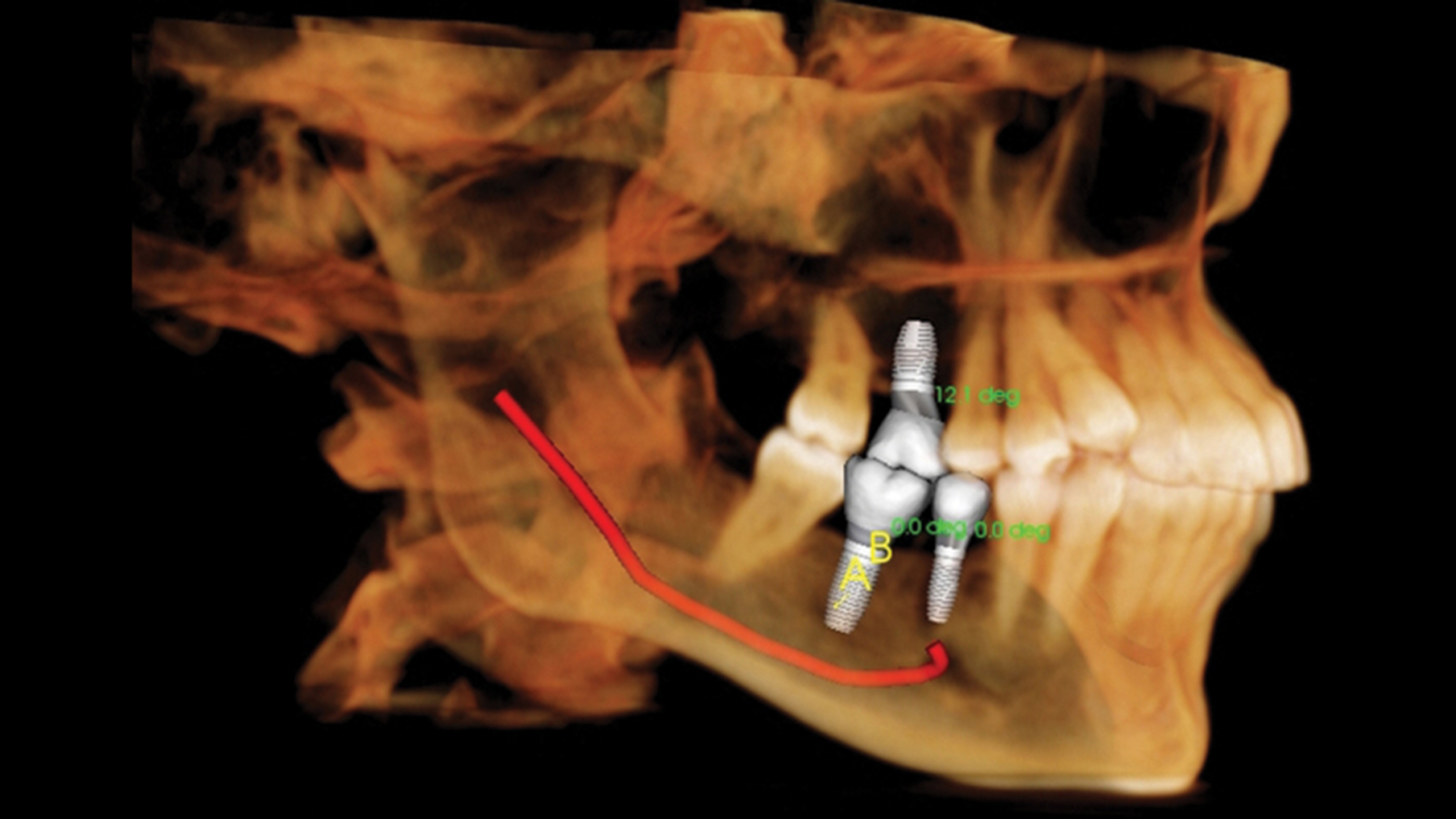
Implant planning may include a clinical examination, review of the missing-tooth area, assessment of gum health, and three-dimensional imaging when appropriate.
At OMG Perio, implant planning can include on-site Cone Beam CT scanning. A CBCT image provides a three-dimensional view of the jaw and surrounding structures, which can help the clinical team evaluate bone dimensions and the position of the sinus.
The periodontist may consider:
- whether there is enough bone height and width for the planned implant
- whether the remaining bone is positioned where the implant needs to go
- whether previous tooth loss, infection or periodontal disease has affected the site
- how close the sinus floor is to the planned implant position
- whether active periodontal disease should be treated first
Two patients missing the same upper molar can have different bone height beneath the sinus, so imaging and site-specific anatomy determine the treatment plan.
Sinus Lift vs. Bone Graft: What Is the Difference?
A sinus lift is a type of bone-grafting procedure, but not every bone graft is a sinus lift.
A conventional bone graft may be used to rebuild a deficient ridge where bone has narrowed or changed after tooth loss. A sinus lift is specifically used in the back of the upper jaw, where the maxillary sinus limits the available vertical bone.
The two procedures can also be part of the same overall implant plan. One patient may need only a localized ridge graft. Another may need sinus augmentation. A more complex site may require additional reconstruction before the implant can be placed in an appropriate position.
If you have been told that there is not enough bone for an implant, the phrase “bone graft” does not by itself tell you which procedure is needed. The location, amount and shape of the bone deficiency determine the approach.
OMG Perio’s information about bone grafting explains other ways bone and supporting tissues may be rebuilt when an implant site needs additional support.
Can a Sinus Lift and Dental Implant Be Done at the Same Time?
Sometimes a sinus lift and implant can be completed during the same procedure, but not every site is suitable for simultaneous treatment.
The amount and quality of existing bone must be sufficient to provide initial stability for the implant while the grafted area heals. If enough native bone remains to hold the implant securely, the periodontist may be able to raise the sinus floor, place graft material and insert the implant at the same appointment. If the remaining bone is too limited, the graft may need time to heal before implant placement.
The American Academy of Periodontology notes that implants can sometimes be placed at the same time as sinus augmentation. In other cases, the graft is allowed to develop first, with timing based on the individual patient’s needs. The important point is that speed is not the only goal. The implant needs a stable biological foundation.
For patients considering dental implants in Hamilton, the treatment sequence should be based on the condition of the bone and gums rather than a fixed timeline.
What Happens During Sinus Augmentation?
Sinus augmentation involves creating access to the bone beneath the sinus, carefully elevating the sinus membrane and placing graft material in the newly created space.
There are different surgical approaches. The technique selected depends on factors such as how much additional bone is required, the anatomy of the sinus and the implant plan.
In one commonly used approach, an opening is created through the bone of the upper jaw so the sinus membrane can be carefully elevated. Bone graft material is then placed below the membrane. The American Academy of Periodontology describes this as one established technique for developing additional bone for implant placement. The grafted area then needs time to heal and develop.
Because surgery is performed next to the maxillary sinus, careful planning is essential to protect the sinus membrane and choose the appropriate surgical approach. Your periodontist should explain the potential benefits and risks that apply to your individual procedure before treatment. If dental anxiety is a concern, OMG Perio also offers sedation dentistry for appropriate patients and procedures.
What Is Recovery Like After a Sinus Lift?
Recovery after a sinus lift varies with the size and type of procedure, whether an implant was placed at the same time, and the patient’s individual healing response. Some swelling, tenderness or mild bleeding can occur during the early healing period. Your surgical team will provide instructions specific to the procedure performed.
Those instructions may address:
- oral hygiene around the surgical site
- eating and drinking during early healing
- prescribed or recommended medications
- exercise and physical activity
- behaviours that could place unwanted pressure on the healing sinus area
- when to return for follow-up care
One of the most useful precautions is to follow your own surgeon’s directions rather than relying on a generic recovery timetable found online. A limited sinus elevation and a larger grafting procedure may involve different aftercare.
How Long After a Sinus Lift Can the Implant Be Placed?
The timing depends on how much grafting was required and whether the implant was placed during the sinus-lift procedure. There is no single waiting period that applies to every patient.
When sinus augmentation is completed first, the graft needs time to develop before the implant can be placed. The American Academy of Periodontology notes that, depending on individual needs, bone may be allowed to develop for approximately four to 12 months before implant placement. In some cases, the implant can instead be placed during the sinus-augmentation procedure. After the implant is placed, it must also integrate with the surrounding bone before the final restoration is completed, unless the case is appropriate for a different loading protocol.
This is why a complete treatment plan should separate three questions:
- When will the grafted area be ready?
- When can the implant be placed?
- When can the final tooth be restored?
Those milestones are connected, but they are not necessarily the same date.
Planning an Upper-Jaw Dental Implant
If you’ve been told that you need a sinus lift, the recommendation should come with a clear explanation of what the examination or imaging shows and why additional bone is being considered.
At OMG Perio, implant planning can bring periodontal assessment, bone evaluation, three-dimensional imaging, grafting and implant placement into the same overall treatment plan. The practice uses on-site CBCT imaging and digital implant-planning technology when appropriate.
That can be particularly relevant when the reason for tooth loss includes periodontal disease or when the implant site has already lost significant supporting bone. A sinus lift does not mean that dental implants are no longer an option. In appropriate cases, sinus augmentation is used specifically to create the bone foundation required for implant placement.
A useful treatment discussion should explain what the implant site needs to create a stable, cleanable, long-term foundation and why. A periodontal consultation can provide that answer based on your anatomy rather than a general rule.
Frequently Asked Questions
How do I know if I need a sinus lift before an implant?
You need a sinus lift only if there is not enough suitable bone below the maxillary sinus for the planned implant. A clinical examination and appropriate imaging allow the periodontist to assess the site and explain whether sinus augmentation is necessary.
Can a sinus lift and dental implant be done at the same appointment?
Yes, they can sometimes be performed together when enough existing bone is present to stabilize the implant. If the remaining bone is too limited, the sinus graft may need to heal first and the implant can be placed later.
How long after a sinus lift can a dental implant be placed?
The waiting period depends on the amount of grafting, the surgical technique, bone healing and whether the implant was already placed during the procedure. Your periodontist should give you a case-specific timeline rather than relying on a standard number of months.
Is sinus augmentation the same as a bone graft?
Sinus augmentation uses bone-grafting principles, but it refers specifically to building bone beneath the maxillary sinus in the back of the upper jaw. Other bone grafts may rebuild the width, height or contour of the ridge in different parts of the mouth.
Can I get an upper dental implant without a sinus lift?
Yes, many upper-jaw implants can be placed without sinus augmentation when adequate bone is already present. The need for a sinus lift depends on the individual site’s bone dimensions and the position of the sinus, not simply on the fact that the missing tooth is in the upper jaw.