
Can Receding Gums Grow Back? What Patients Should Know
If your teeth look longer than they used to, or you feel a sharp zing when drinking something cold, you may be wondering whether your gums are starting to recede.
It is a common question: can receding gums grow back?
The honest answer is that gum tissue does not usually grow back on its own once it has pulled away from the tooth. That does not mean nothing can be done. In many cases, recession can be stabilized, sensitivity can be managed, and exposed roots can be protected with the right periodontal care.
At OMG Perio, we see many patients who are unsure whether their gum recession is mild, serious, or simply part of aging. The first step is understanding what is happening and why it matters.
What Gum Recession Actually Means
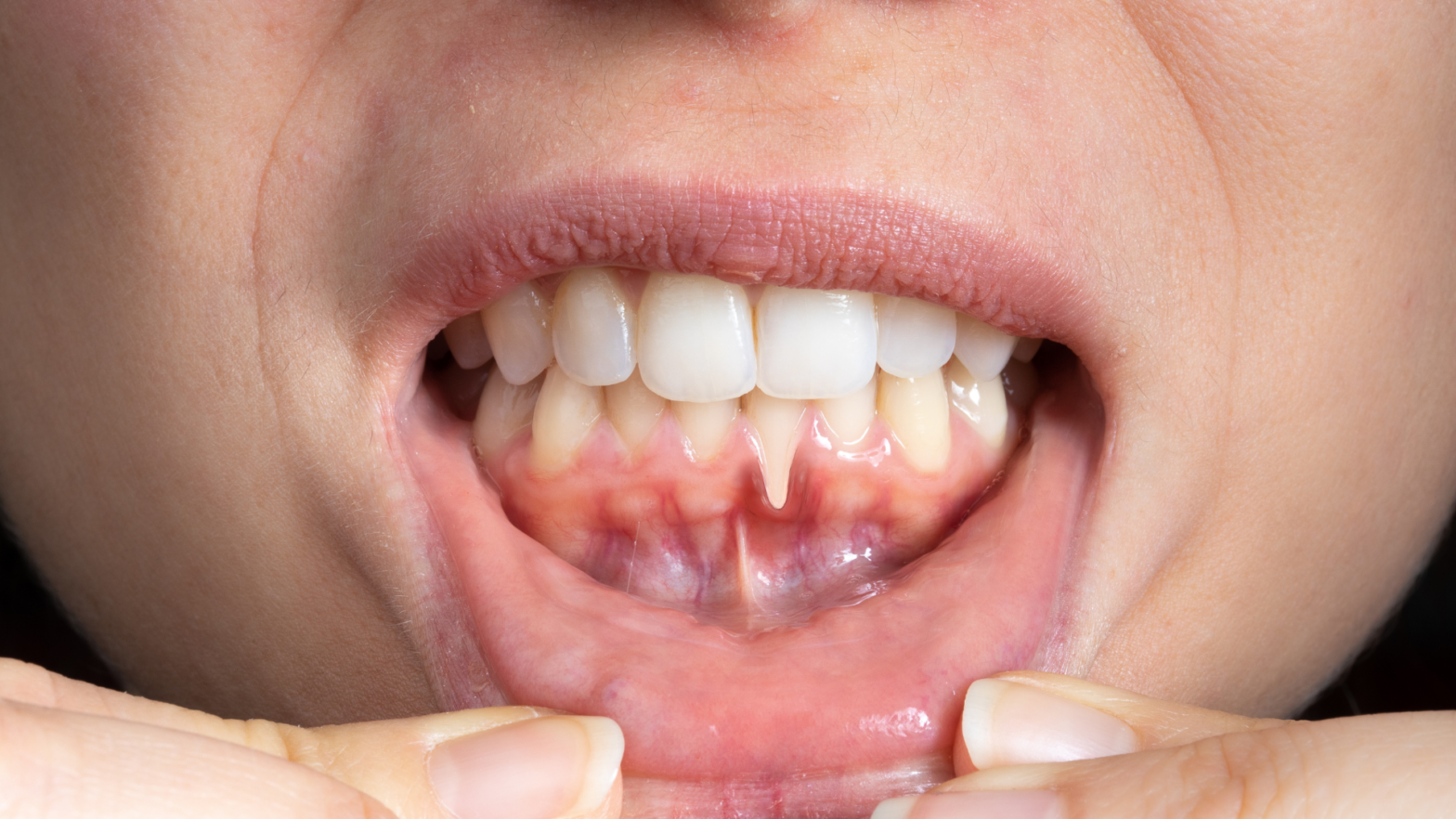
Gum recession happens when the gum tissue around a tooth pulls back or wears away, exposing more of the tooth or the root surface underneath. This can make teeth appear longer, create dark spaces near the gumline, and increase sensitivity to cold, heat, sweets, or brushing.
The root surface is different from the visible crown of the tooth. It is not protected by the same hard enamel, so once it is exposed, it can be more vulnerable to sensitivity, wear, and decay.
OMG Perio’s blog on gum recession treatment options in Hamilton explains that recession is not only a cosmetic concern. It can be a sign that the supporting structures around the teeth are under stress, especially when gum disease, bone loss, or inflammation are involved.
Why Gums Start To Recede
There is not one single cause of gum recession. For some patients, it is connected to periodontal disease. Bacteria collect below the gumline, inflammation develops, and the tissue and bone that support the teeth can begin to break down.
For others, recession may be linked to brushing too aggressively, using a hard-bristled toothbrush, grinding or clenching, orthodontic movement, thin gum tissue, genetics, smoking, or past dental trauma.
This is why it is important not to guess. Two people can have similar-looking gum recession but need very different treatment plans.
Can Receding Gums Heal Without Treatment?
Inflamed gums can often improve with better home care and professional cleaning. Receded gum tissue is different.
Once the gumline has physically moved away from the tooth, it usually does not return to its previous position without treatment. Mouthwash, toothpaste, or gentle brushing may reduce irritation, but they will not rebuild missing gum tissue.
That said, early care still matters. If the recession is mild and stable, treatment may focus on stopping it from getting worse. If the exposed root is sensitive, at risk of decay, or affecting the appearance of your smile, a periodontal procedure may be recommended.
When A Deep Cleaning May Be Needed First
If gum recession is linked to active gum disease, the first priority is controlling the infection. In many cases, that may involve scaling and root planing.
In OMG Perio’s article on scaling and root planing, the difference between a routine cleaning and a deep cleaning is explained clearly. A standard cleaning removes plaque and tartar above the gumline. Scaling and root planing goes deeper, into the pockets between the teeth and gums where bacteria can collect.
This step can help reduce inflammation and create a healthier foundation before any further treatment is considered.
When Gum Grafting May Be Recommended
For some patients, stabilizing the gums is not enough. If the root is exposed, the gum tissue is thin, or recession is progressing, gum grafting may be recommended to protect the tooth and improve the gumline.
For patients exploring gum grafting Hamilton, the goal is not only appearance. Gum grafting can help cover exposed roots, reduce sensitivity, thicken thin tissue, and protect the tooth from further damage.
There are different types of grafting techniques, and the right option depends on the location of the recession, the amount of tissue available, the health of the surrounding bone, and the patient’s overall oral health.
How A Periodontist Assesses Receding Gums
A periodontal assessment looks beyond what you can see in the mirror. Your periodontist may measure gum pockets, check for bleeding, assess recession depth, review x-rays, look for bone loss, evaluate tooth mobility, and consider bite forces or habits that may be contributing to the problem.
This is important because gum recession is not always just about the gums. It may involve the bone, the bite, the thickness of the tissue, or long-term inflammation.
A proper diagnosis helps answer three key questions: why is the recession happening, is it getting worse, and what can be done to protect the tooth?
What You Can Do At Home
Home care cannot reverse lost gum tissue, but it can help protect your gums from further irritation.
Use a soft-bristled toothbrush and avoid scrubbing side to side along the gumline. If you use an electric toothbrush, let the brush do the work and avoid pressing hard. Clean between the teeth daily, but be gentle. If floss feels difficult, ask whether interdental brushes, picks, or other tools may be better for your mouth.
If you grind or clench your teeth, mention this during your visit. Bite forces can contribute to gum problems and should be part of the discussion.
When To Book An Appointment
You should book a periodontal assessment if your teeth look longer, your gums are pulling away, your roots are sensitive, you see notches near the gumline, or your dentist has mentioned recession or bone loss.
You should also be checked if recession is happening around a dental implant, crown, bridge, or area that has had previous treatment.
Receding gums are easier to manage when they are assessed early. If you are unsure what your symptoms mean, contact OMG Perio to book an appointment and get a clear answer about your gum health.
Frequently Asked Questions
Can receding gums grow back naturally?
In most cases, receded gum tissue does not grow back naturally. However, treatment can help protect exposed roots, manage sensitivity, and prevent the recession from getting worse.
Is gum recession always caused by gum disease?
No. Gum disease is one possible cause, but recession can also be linked to aggressive brushing, thin gum tissue, clenching, orthodontic movement, smoking, genetics, or trauma.
When should I worry about receding gums?
You should have recession checked if it is progressing, causing sensitivity, exposing the root, affecting your smile, or happening alongside bleeding gums, bad breath, loose teeth, or bone loss.
Does gum grafting hurt?
Most patients are kept comfortable with local anaesthetic, and sedation options may be available depending on the procedure and patient needs. Some tenderness during healing is normal, but your care team will explain how to manage recovery.