
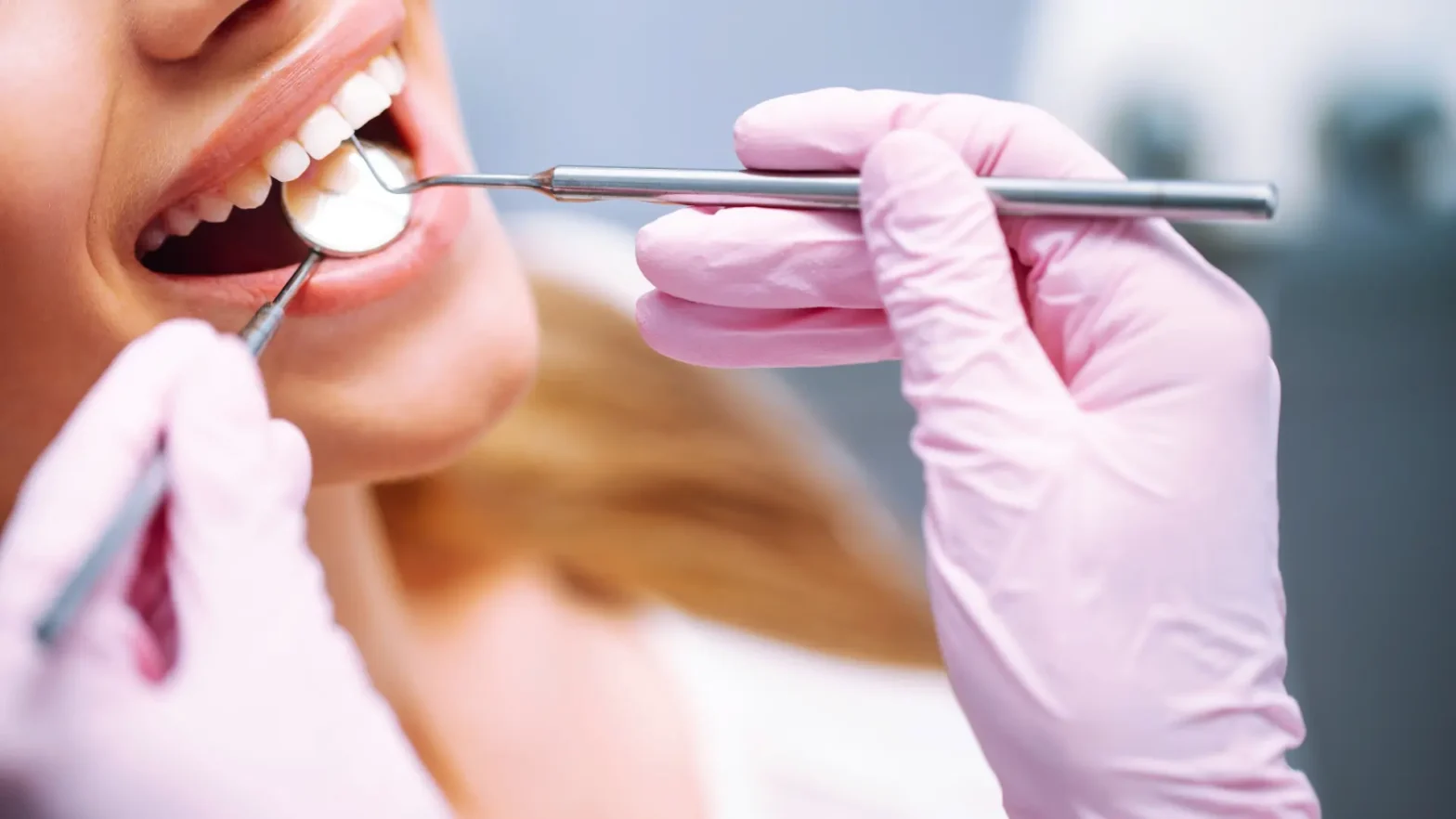
Scaling and Root Planing in Hamilton: What to Expect Before, During, and After
Being told you need a “deep cleaning” can feel alarming, especially if your regular dental visits have always felt routine. The name sounds intense. The idea of something going below the gumline sounds uncomfortable. And if you have never heard the words “scaling and root planing” before, you may not even know what you are walking into.
This guide is here to change that. Scaling and root planing is one of the most effective non-surgical treatments for gum disease, and for many patients, knowing what to expect makes all the difference in actually moving forward with care.
Why Scaling and Root Planing Is Recommended
A standard dental cleaning removes plaque and tartar from the surfaces of your teeth, above the gumline. It is a preventive procedure. Scaling and root planing goes deeper, literally. It is prescribed when gum disease has progressed to the point where bacterial buildup has collected in the pockets between your teeth and gums, areas that brushing and regular cleaning simply cannot reach.
When those pockets deepen, bacteria thrive there, triggering the chronic inflammation that defines periodontal disease. Left untreated, the infection gradually damages the soft tissue and bone that support your teeth. Gingivitis, the earliest stage of gum disease, is reversible with professional treatment and proper home care. Scaling and root planing is typically the first line of intervention once disease has moved beyond gingivitis into periodontitis.
Signs that often prompt a referral for this treatment include persistent bleeding when brushing, gums that look swollen or have pulled away from the teeth, chronic bad breath that does not resolve, and pockets that measure deeper than 3 millimetres at a periodontal assessment.
What Happens During the Procedure
Scaling and root planing is a two-part process, and both parts happen in the same appointment or across two visits depending on the extent of disease present.
Scaling is the first step. Using a combination of hand instruments and ultrasonic scalers, the clinician removes hardened plaque and tartar deposits from the tooth surfaces and from within the periodontal pockets. Ultrasonic scalers use high-frequency vibrations to break apart stubborn deposits, which makes the process thorough without requiring excessive force.
Root planing follows immediately after. The root surfaces of your teeth are carefully smoothed, removing any remaining bacterial toxins and creating a clean surface to which gum tissue can reattach. This step is what gives the procedure its name, and it is what distinguishes a deep cleaning from the routine prophylaxis you receive at a checkup.
Local anaesthetic is administered before treatment begins. You should not feel pain. Most patients notice a sense of pressure or movement, but not discomfort. If you have concerns about anxiety or sensitivity, it is worth mentioning this before the appointment. As we have discussed in our post on managing dental anxiety, communicating openly with your care team is one of the most effective ways to ensure a more comfortable experience, and at OMG Perio, sedation options are available for patients who need additional support.
Depending on the severity and how many areas of the mouth are affected, the full treatment may be completed in one session or split across two appointments, typically treating one side of the mouth at a time.
How to Prepare Before Your Appointment
There is not much you need to do in advance. Eating a light meal beforehand is fine, and you should continue brushing and flossing as normal up to your appointment. If you take any medications, let your care team know, as some blood thinners or anti-inflammatory drugs can affect the procedure or your recovery.
Plan your day with some flexibility. Once the local anaesthetic wears off, your gums and the surrounding area may feel tender. Most patients find they can return to regular activities the same day, but strenuous exercise or anything that increases blood flow to the head is best avoided for 24 hours.
What Recovery Actually Looks Like
Soreness and mild sensitivity in the days following treatment are completely normal. Your gums have just undergone a therapeutic procedure, and some initial tenderness is part of the healing response. Over-the-counter pain relievers are generally sufficient to manage any discomfort.
Tooth sensitivity, particularly to cold temperatures, is also common for one to two weeks after treatment. A toothpaste formulated for sensitive teeth can help during this period. Soft, cool foods are easier on your gums in the first day or two, and rinsing gently with warm salt water can soothe the tissue and support healing.
The Ontario Dental Association recommends maintaining thorough home care after periodontal treatment, including daily flossing and twice-daily brushing angled toward the gumline. These habits are not optional after a deep cleaning. They are what keep the results from the treatment from reversing.
What Happens Next: Keeping Your Results
Scaling and root planing is not a one-time cure. It is the reset. What happens after determines how well your gum health holds. Most patients are placed on a periodontal maintenance schedule of visits every three to four months following treatment, at least initially, to monitor pocket depths and ensure the disease is not progressing.
As we have written about before, the connection between gum health and overall systemic health is well established, with research linking untreated periodontal disease to cardiovascular disease, diabetes complications, and other systemic conditions. Getting ahead of gum disease with a proper deep cleaning is not just about your teeth. It matters for your broader health too.
At OMG Perio, scaling and root planing in Hamilton is performed by periodontal specialists with the clinical training and experience to assess your gum disease accurately and treat it thoroughly. If you have been referred for a deep cleaning or have been putting off addressing bleeding or swollen gums, the best step is a consultation.
Frequently Asked Questions
Does scaling and root planing hurt?
The procedure is performed under local anaesthetic, so you should not feel pain during treatment. Some pressure and movement are normal. Post-procedure soreness for a few days is expected and manageable with over-the-counter pain relief.
How many appointments does it take?
This depends on the extent of gum disease and how much of the mouth needs treatment. Some patients complete the procedure in one appointment; others are treated in two sessions, with each visit addressing one side of the mouth.
How is a deep cleaning different from a regular cleaning?
A routine cleaning addresses plaque and tartar above the gumline as a preventive measure. Scaling and root planing is a therapeutic procedure that targets bacterial buildup in the pockets below the gumline, where gum disease takes hold. They are not interchangeable.
Will I need surgery after a deep cleaning?
Not necessarily. For many patients, scaling and root planing resolves the active infection and allows the gum tissue to reattach and heal. If pocket depths remain elevated after the healing period, further periodontal treatment may be discussed, but surgery is not always the next step.
How long before I see results?
Most patients notice their gums feel firmer and bleed less within two to four weeks. Full tissue healing can take several months, and pocket depth improvement is assessed at your follow-up visit.
Ready to book a consultation or have questions about your gum health? Contact OMG Perio at (905) 526-6078 or request an appointment online.