
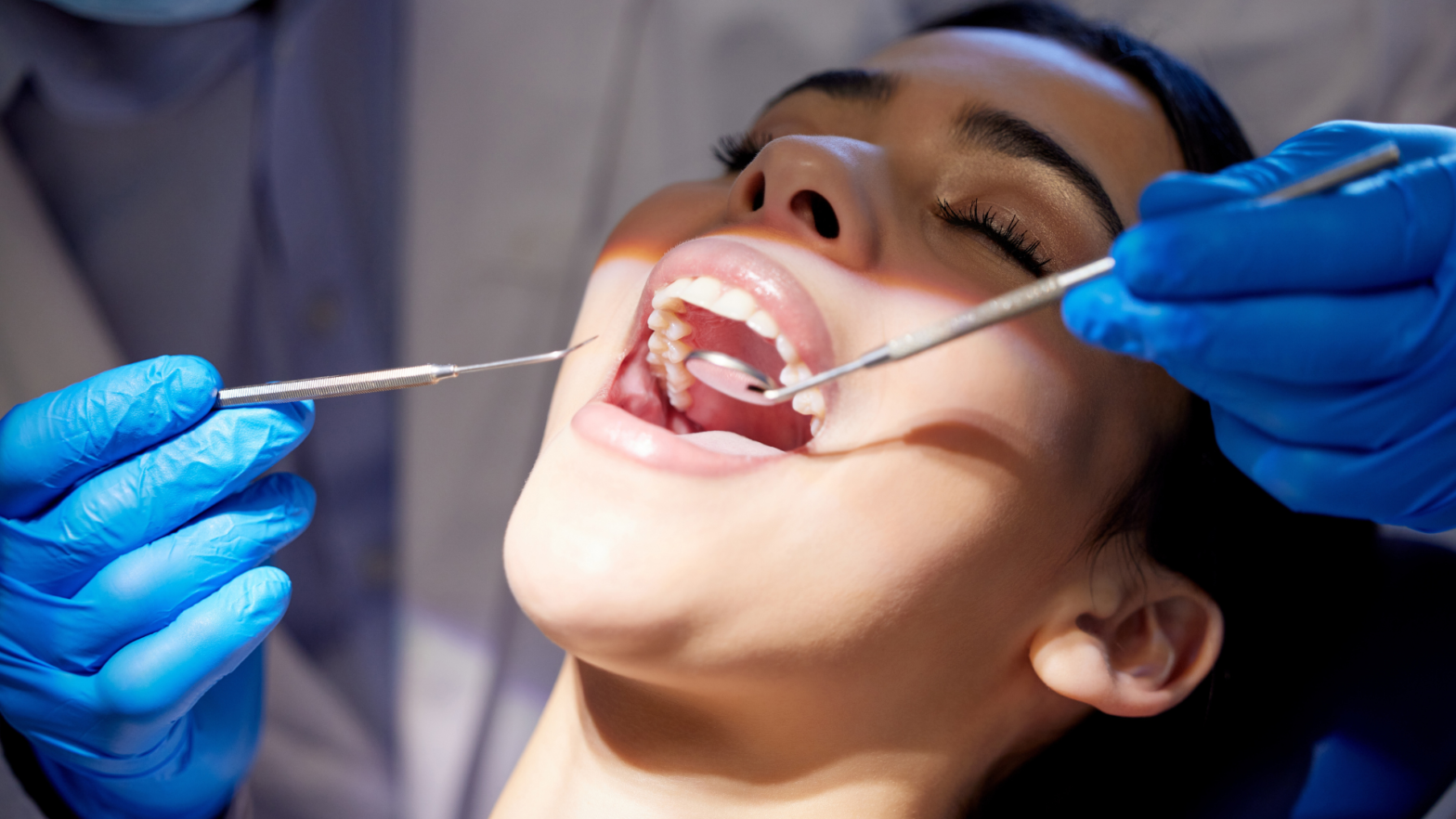
Periodontal Maintenance vs. Regular Dental Cleaning
The main difference between periodontal maintenance and a regular cleaning is the patient’s gum-health history. A regular cleaning helps prevent disease in a generally healthy mouth. Periodontal maintenance helps control previously treated gum disease and reduce the risk that it will become active again.
They may seem similar from the treatment chair, but they are not interchangeable. Each appointment has a different purpose, clinical scope and recommended frequency.
What Is a Regular Dental Cleaning?
A regular dental cleaning, also known as prophylaxis, is preventive care for a patient who does not have active periodontitis.
During the appointment, a dental hygienist removes plaque, tartar and surface stains from accessible tooth surfaces. The teeth may also be polished, and the gums are examined for early signs of inflammation.
This type of cleaning supports healthy gums and helps prevent gingivitis. It is not designed to manage deep periodontal pockets, attachment loss or bone damage caused by periodontitis.
Patients should also maintain consistent brushing, flossing and dental hygiene habits between appointments. Professional cleaning helps, but it cannot replace daily biofilm removal at home.
What Is Periodontal Maintenance?
Periodontal maintenance is ongoing therapeutic care for someone who has been diagnosed and treated for periodontal disease.
Periodontitis damages the tissues and bone that hold the teeth in place. Treatment may control the infection, but it does not erase the patient’s history or automatically restore every affected area to its original condition.
After active treatment, deeper spaces may remain around certain teeth. These areas can collect bacterial biofilm and tartar more easily and may be difficult to clean thoroughly at home.
A periodontal maintenance appointment focuses on monitoring and cleaning these higher-risk areas before inflammation causes further damage.
Periodontal Maintenance vs. Regular Cleaning: Key Differences
The distinction is based on diagnosis and risk, not simply on how much tartar is present. A regular cleaning is preventive. It is intended for a mouth without a history of destructive periodontal disease.
Periodontal maintenance is performed after active gum-disease treatment. It may include cleaning above and below the gumline, checking previously affected areas and monitoring whether the condition remains stable.
The appointment may involve:
- Measuring periodontal pocket depths
- Checking for bleeding or inflammation
- Measuring oral inflammatory load using Periomonitor (periomonitor.ca)
- Examining gum recession and tooth mobility
- Removing biofilm and calculus above and below the gumline
- Monitoring dental implants and restorations
- Reviewing changes in home-care needs
- Comparing current findings with previous records or X-rays
The exact care provided depends on the patient’s history and current clinical findings.
How Is Periodontal Maintenance Different From Deep Cleaning?
Deep cleaning usually refers to scaling and root planing. This is active treatment intended to remove bacterial deposits from below the gumline and smooth contaminated root surfaces.
Periodontal maintenance begins after active treatment has been completed and the gums have been reassessed. Its purpose is to preserve the improvement and identify signs of recurrence early.
Patients preparing for treatment can review what to expect during scaling and root planing. Once the initial therapy is complete, the recommended maintenance schedule becomes an important part of the long-term plan.
Why Are Three-Month Appointments Sometimes Recommended?
Periodontal maintenance is often scheduled more frequently than ordinary preventive care because harmful bacteria can recolonize treated areas between visits.
A three-month or four-month interval is not an automatic rule for every patient. The timing may depend on:
- The depth of remaining periodontal pockets
- Previous bone or attachment loss
- Bleeding during examinations
- The patient’s plaque-control routine
- Smoking or vaping
- Diabetes and other health conditions
- Dry mouth
- Tooth position and restorative work
- Dental implants
- How quickly tartar develops
Some patients alternate visits between their general dentist and periodontist. Others receive most maintenance care through a periodontal office. The schedule should be based on clinical risk rather than convenience alone.
What Happens During a Periodontal Maintenance Visit?
The appointment usually begins with a review of changes to your health, medications and oral-health concerns. The clinician then assesses the gums and compares the findings with earlier measurements.
Areas that previously had deep pockets or active disease receive particular attention. Biofilm and calculus are removed from tooth and root surfaces, including areas below the gumline where needed.
OMG Perio may also incorporate Guided Biofilm Therapy in Hamilton when appropriate. This approach uses biofilm disclosure and targeted technology to help identify and remove bacterial deposits around natural teeth, sensitive areas, restorations and dental implants.
The appointment also provides an opportunity to adjust your home routine. Changes in recession, spacing, dexterity or dental work can mean that a different interdental brush, flossing aid or technique is needed.
Will You Need Periodontal Maintenance Forever?
Many people with a history of periodontitis require ongoing periodontal maintenance. This does not mean that previous treatment failed. It means the disease is being managed as a chronic condition with a risk of recurrence.
Your appointment interval may change over time. Stable pocket measurements, minimal bleeding and effective plaque control may allow the clinical team to reconsider the frequency. New inflammation or deeper pockets may require closer monitoring or additional treatment.
The decision should be based on repeated examinations, not simply on how clean your teeth feel.
What Happens If Periodontal Maintenance Is Delayed?
Delaying one appointment does not guarantee that gum disease will return, but repeated interruptions can allow inflammation to develop unnoticed.
Periodontitis is not always painful. Bleeding, swelling, bad breath, gum recession, shifting teeth or looseness may not appear until the condition has progressed.
Maintenance visits allow subtle changes to be found before they become larger problems. They are particularly valuable for people with previous bone loss, complex restorations or dental implants.
Can Your Dentist and Periodontist Share Your Care?
Yes. Collaborative care is common and can be highly effective.
Your general dentist continues to monitor your overall dental health, including cavities, crowns and other restorative needs. Your periodontist focuses on the gums, supporting bone, periodontal pockets and areas with a higher risk of disease progression.
The best arrangement depends on the severity of your original diagnosis, your response to treatment and the services available in each office. Clear communication between providers helps ensure that important measurements and changes are not missed.
Maintaining Results Between Appointments
Daily plaque control remains essential after periodontal treatment. Brush thoroughly with a soft toothbrush and clean between the teeth using the method recommended by your clinical team.
Do not assume that harder brushing produces better results. Excessive pressure may contribute to gum recession and root sensitivity without effectively cleaning difficult areas.
Smoking cessation, diabetes management and regular monitoring can also influence periodontal stability. Bring any changes in medications or health conditions to your clinician’s attention.
If you have completed gum-disease treatment or have been told that you need more frequent cleanings, OMG Perio can assess your current condition and recommend an individualized maintenance schedule.
Frequently Asked Questions
Is Periodontal Maintenance the Same as a Deep Cleaning?
No. Scaling and root planing is active treatment for gum disease, while periodontal maintenance is follow-up care performed after treatment. Maintenance appointments help keep the condition controlled and identify signs that it is becoming active again.
Why Do I Need a Periodontal Cleaning Every Three Months?
A shorter interval may be recommended because certain areas remain more likely to collect bacterial biofilm after periodontal disease. Your schedule should reflect your pocket depths, bleeding, health history, home care and response to treatment.
Can I Return to Regular Six-Month Cleanings?
Some patients may eventually require less frequent care, but the decision must be based on clinical stability over time. A history of periodontitis generally remains relevant even when the gums currently look and feel healthy.
Does Periodontal Maintenance Prevent Gum Disease From Returning?
Maintenance significantly supports long-term control, but no appointment can guarantee that disease will never recur. Consistent professional care, effective home cleaning and management of personal risk factors work together.
Should Maintenance Be Done by a Dentist or Periodontist?
Either provider may participate depending on the severity and complexity of your condition. Many patients benefit from coordinated care between their general dentist and periodontal team.