
Gum Disease and Diabetes: What Hamilton Patients Need to Know
Most people managing diabetes are used to hearing about complications that affect the heart, kidneys, eyes, and nerves. The mouth rarely comes up. But the relationship between diabetes and gum disease is one of the most clinically significant connections in all of oral health — and it runs in both directions.
That is what makes it worth understanding properly. This is not a case of one condition simply raising the odds of the other. Managing one can actually affect how well you manage the other.
How Diabetes Affects Your Gums
When blood sugar levels are consistently elevated, the effects are not limited to the organs most people think of. High glucose concentrations in the blood also raise glucose levels in saliva, creating an environment where harmful oral bacteria thrive. The bacteria that drive gum disease feed on that sugar, producing the inflammatory byproducts that damage the gum tissue and bone surrounding your teeth.
At the same time, diabetes impairs the body’s immune response. White blood cells, which are the primary defence against infection, function less effectively when blood sugar is poorly controlled. For the gums, this means that infections that a healthy immune system might resolve on its own can instead take hold, deepen, and progress. Healing is also slower, which means that once gum tissue is damaged, recovery is more difficult.
As Diabetes Canada explains, high blood sugar can damage the gums and teeth in the same way it damages the heart, eyes, and nerves, and people with poorly controlled diabetes are at considerably higher risk of developing periodontitis, the advanced stage of gum disease that destroys the bone holding your teeth in place. The organization also notes that a dentist familiar with these patterns can sometimes spot the early signs of undiagnosed diabetes in a patient’s mouth before the condition has been identified elsewhere.
People with diabetes are also more prone to dry mouth, since elevated blood sugar causes the body to produce more urine and leaves less moisture available in other tissues, including the salivary glands. A dry mouth means less natural cleansing of the teeth, which allows plaque to accumulate more readily. As we have written before, the broader connection between gum disease and systemic health extends well beyond what happens at the gumline, and diabetes is one of the clearest examples of that relationship in action.
How Gum Disease Makes Diabetes Harder to Manage
This is the part most patients have not heard. Periodontal disease does not just respond to diabetes. It actively makes diabetes more difficult to control.
Chronic gum infection triggers a systemic inflammatory response. That inflammation, in turn, interferes with the body’s ability to use insulin properly, driving blood sugar higher. It becomes a cycle: elevated blood sugar promotes bacterial growth in the gums, which worsens the infection, which intensifies systemic inflammation, which further impairs blood glucose regulation.
The clinical research on this is substantial. A peer-reviewed study published in the journal Diabetologia found that treating periodontitis in patients with diabetes was associated with a reduction in HbA1c of approximately 0.4 percent, a meaningful improvement in a marker that reflects average blood sugar control over three months. That is not a trivial number. It suggests that getting your gums treated is not simply good dental hygiene. For someone managing diabetes, it can be a genuine component of metabolic care.
The same research confirmed that people with severe untreated periodontitis face considerably elevated risk of cardiorenal complications compared to diabetic patients without severe gum disease. The mouth is connected to the rest of the body in ways that matter.
What This Means If You Have Diabetes
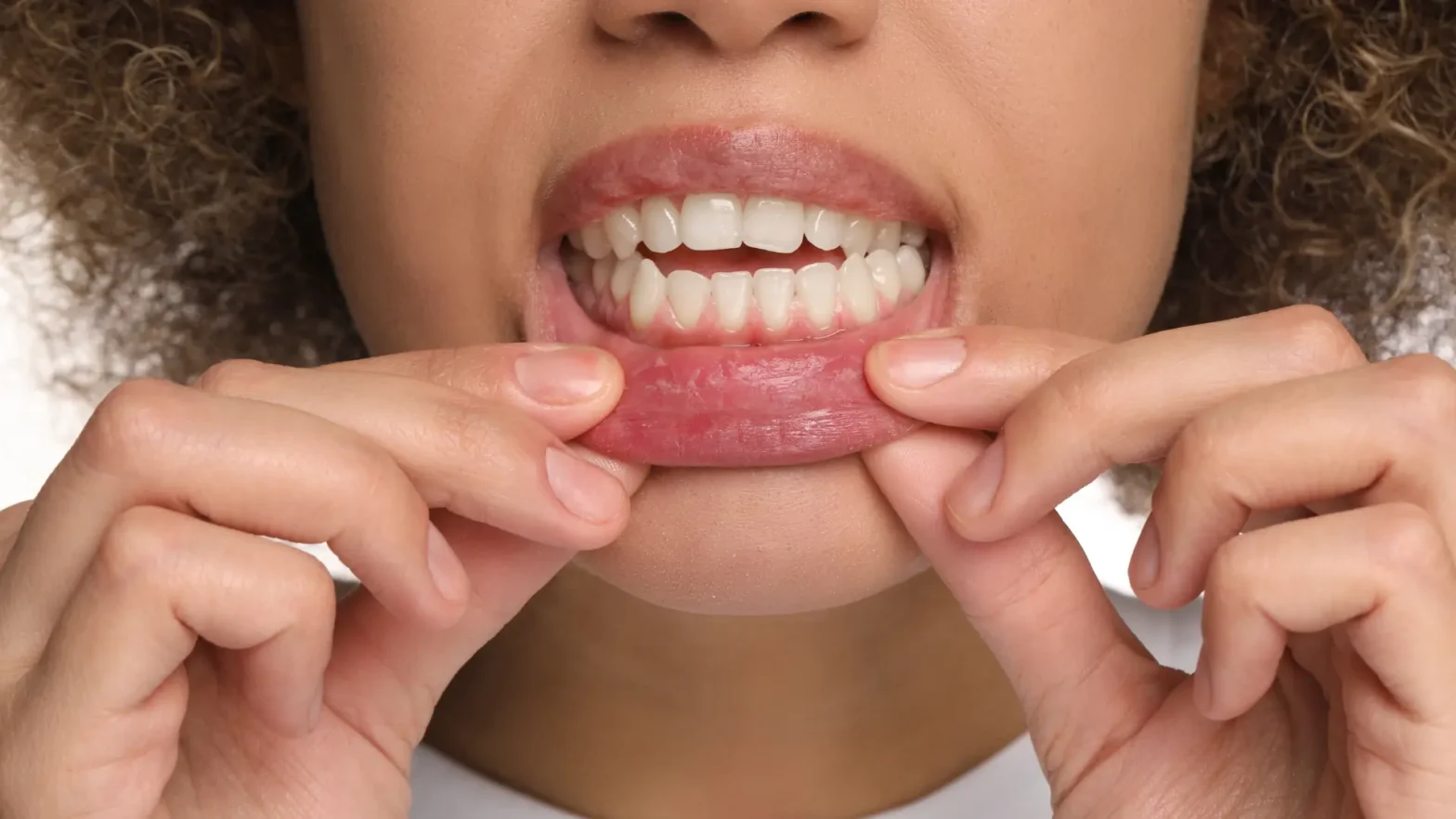
If you have been diagnosed with type 1 or type 2 diabetes, or if you are in a prediabetic range, periodontal assessment should be a regular part of your health picture, not an afterthought. The signs that gum disease is developing include bleeding when you brush or floss, gums that look red or puffy, persistent bad breath, teeth that feel loose, or gum tissue that has visibly pulled away from the tooth surface. These symptoms are worth taking seriously at any time, and they deserve prompt attention when diabetes is part of the picture.
Equally important is telling your periodontist about your diabetes when you come in for care. Blood sugar levels affect how your gums respond to treatment and how quickly tissue heals afterward. Your care team needs that information to plan and monitor your treatment properly.
For patients with diabetes, the dental cleaning routine that serves most people well every six months is often not frequent enough. Most periodontists recommend moving to a three or four month maintenance schedule to stay ahead of bacterial buildup and catch any early signs of progression before they become harder to manage.
Specialist Periodontal Care for Diabetic Patients in Hamilton
The gum disease diabetes connection is well documented, but it requires a clinician who understands both sides of it. At OMG Perio, the periodontal team routinely cares for patients whose gum health is complicated by systemic conditions, including diabetes. Dr. Glogauer’s research background, which spans over 200 peer-reviewed publications and includes work on the immune response in oral disease, directly informs how complex cases are assessed and managed at this practice.
If you have diabetes and have not had a periodontal assessment recently, or if you have noticed any changes in your gum tissue, a consultation at OMG Perio is the right place to start.
Frequently Asked Questions
Does everyone with diabetes develop gum disease?
Not everyone, but the risk is significantly elevated. People with diabetes are roughly three times more likely to develop periodontal disease than those without, particularly when blood sugar is not well controlled. Regular periodontal monitoring reduces that risk.
Can treating gum disease actually improve my blood sugar levels?
The research suggests it can. Reducing the chronic inflammation caused by periodontal infection has been shown to modestly but meaningfully improve HbA1c readings in patients with diabetes. It is not a replacement for diabetes management, but it is a genuine contribution to it.
How often should I see a periodontist if I have diabetes?
For most patients with both conditions, a three to four month maintenance schedule is recommended rather than the standard six-month interval. Your periodontist will assess your specific situation and advise accordingly.
What should I tell my periodontist about my diabetes?
Share your diagnosis, how well controlled your blood sugar is, all medications you are taking, and the contact details for your diabetes care team. This allows your periodontist to plan treatment appropriately, anticipate healing timelines, and coordinate with your other providers if needed.
Managing diabetes and concerned about your gum health? Contact OMG Perio at (905) 526-6078 or request a consultation online.